Why the 1969 Dodge Charger Daytona Needed That Giant Wing
Discover how the Charger Daytona used its nose and rear wing to solve a racing problem that more engine power alone could not fix.
Index
Every Car Secrets article: racing aerodynamics, factory performance packages, induction systems, competition engineering and unusual designs.
Discover how the Charger Daytona used its nose and rear wing to solve a racing problem that more engine power alone could not fix.
The 1969 Ford Talladega hid its NASCAR purpose in carefully revised bodywork rather than an enormous rear wing.
Understand the Plymouth Superbird as a NASCAR homologation car and learn why its dramatic shape meant more than a larger engine.
Learn how to distinguish the Mercury Cyclone Spoiler II from a regular Spoiler and understand the purpose of its extended nose.
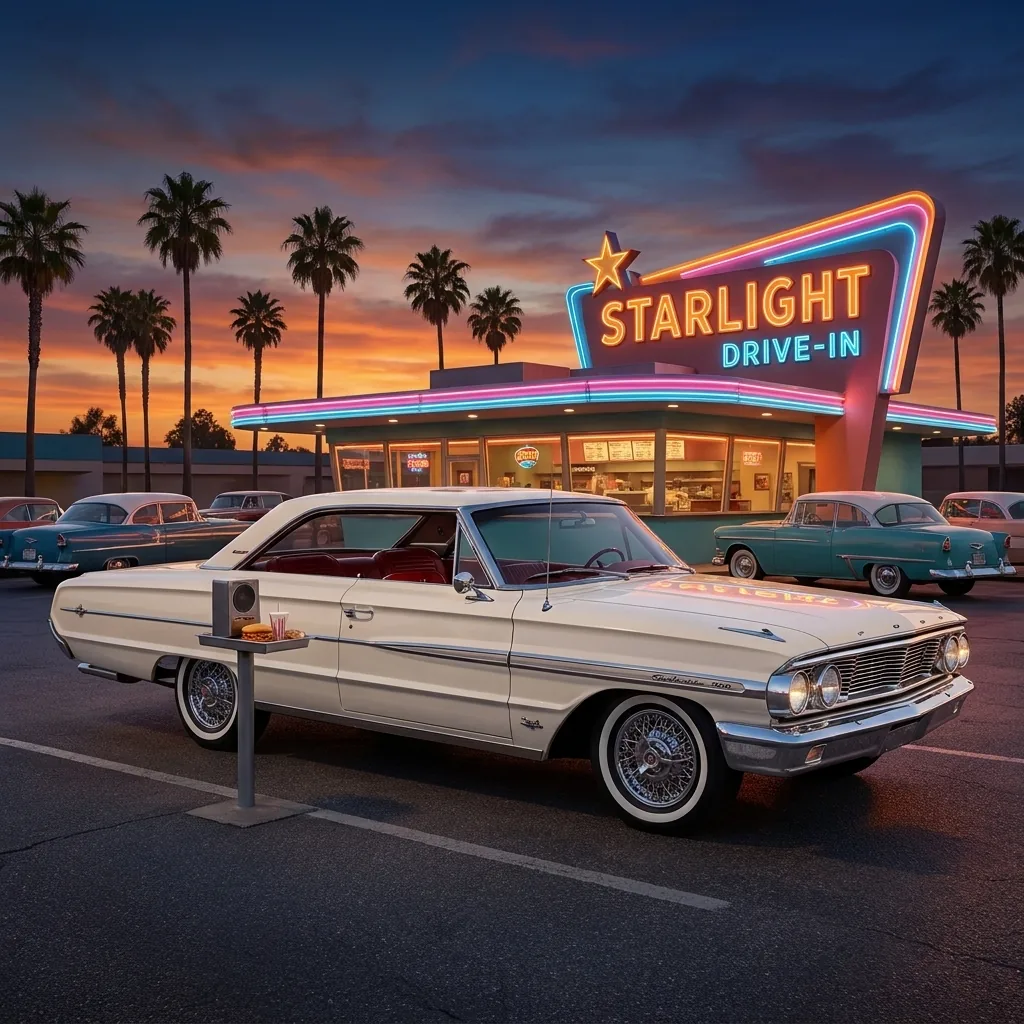
Discover the relationship between the Galaxie lightweight program, Ford's 427 High Riser, and the distinctive raised hood.
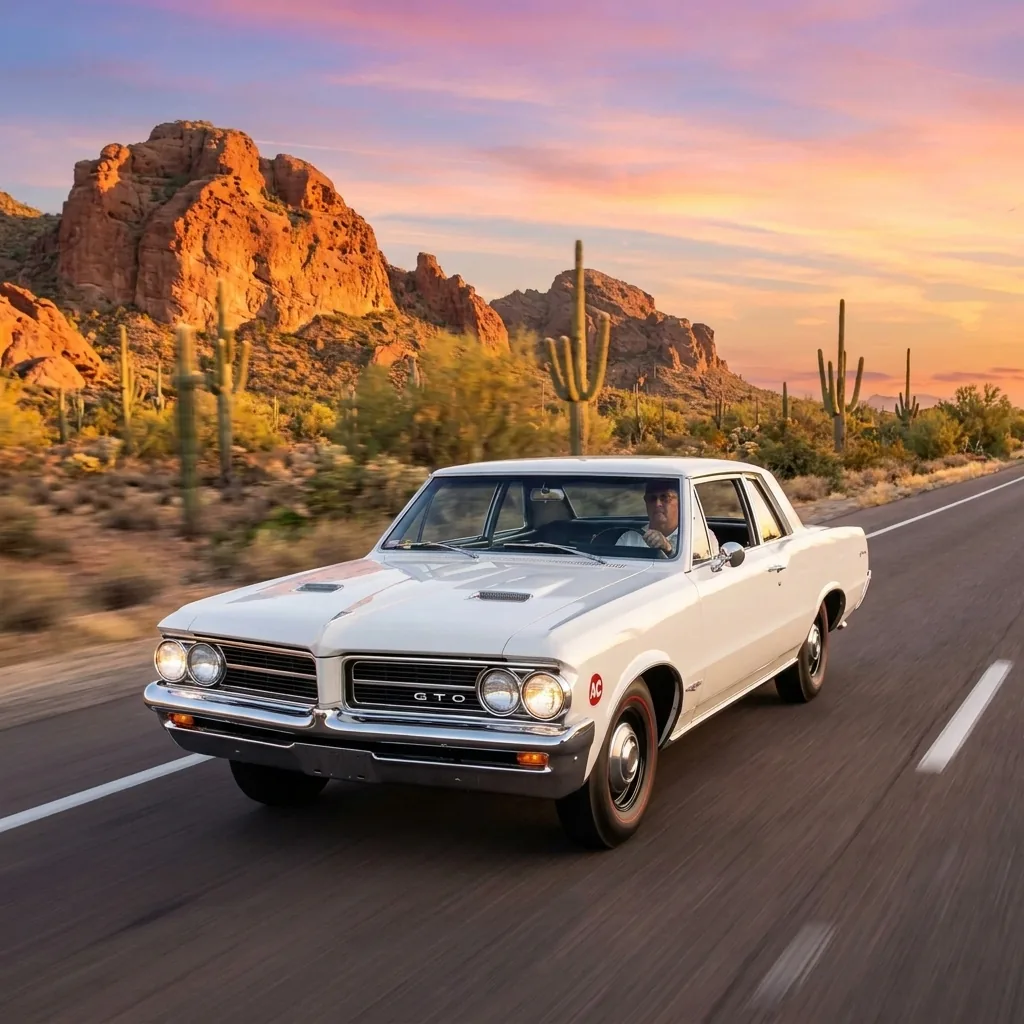
Understand the original GTO option and its Tri Power induction without confusing three carburetors with three separate engines.
Explore why the original Camaro ZL1 used an aluminum 427 and why its significance reaches beyond an advertised horsepower number.
Understand the difference between GSX and Stage 1 and why Buick's 455 makes a useful lesson in torque, gearing, and muscle car performance.
Separate the LS6 engine option from the SS454 package and understand the drivetrain choices behind Chevrolet's famous 1970 Chevelle.
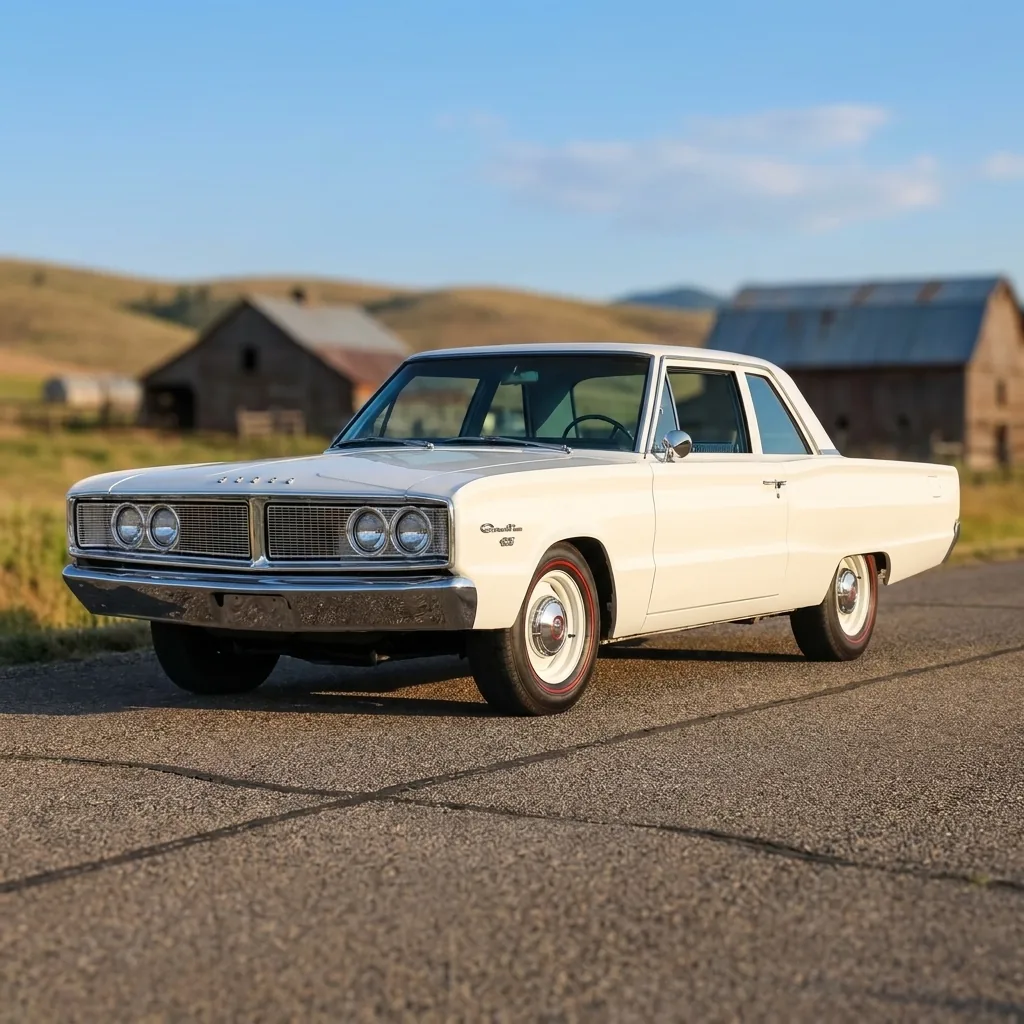
Learn how the 426 Street Hemi's inline dual carburetors differed from Max Wedge cross ram induction and why chamber design mattered.
Understand the unusual intake layout of Chrysler's Max Wedge and why runner length mattered as much as the number of carburetors.
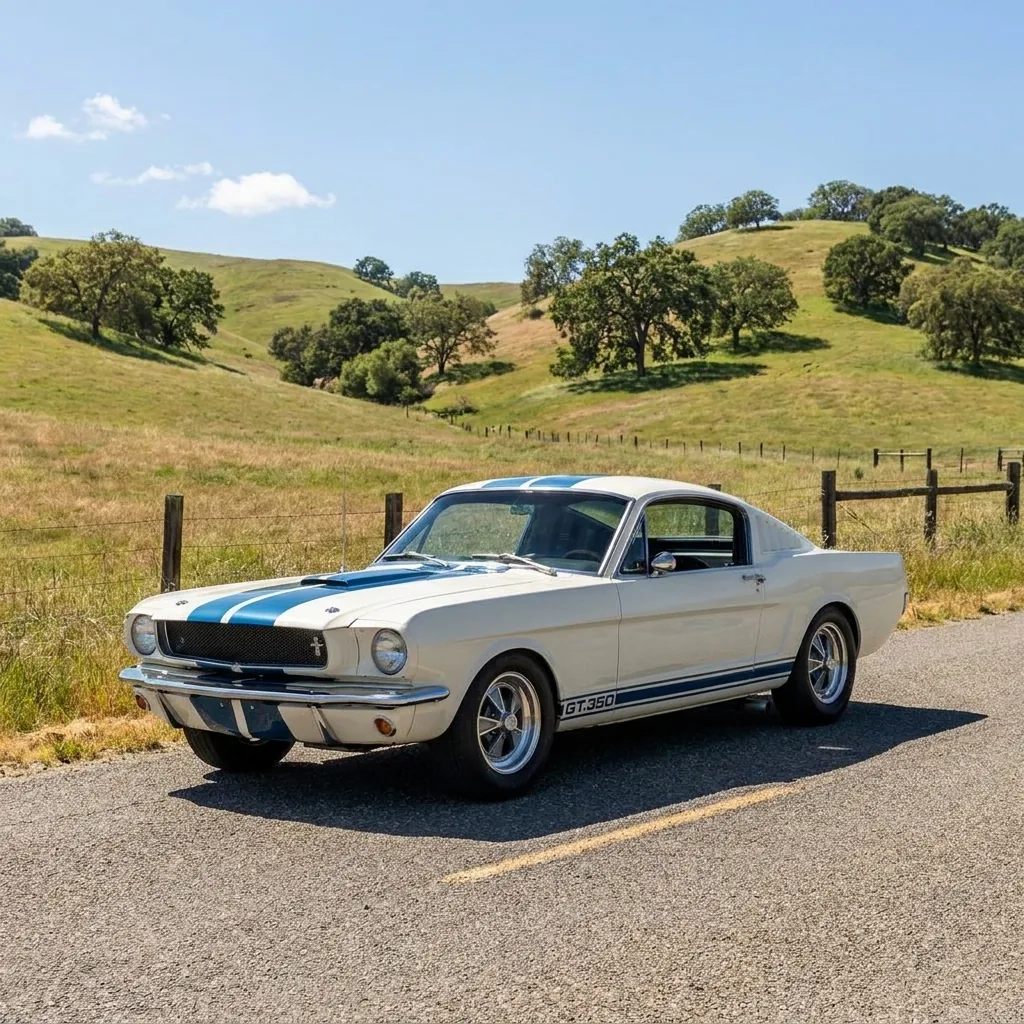
The first Shelby GT350 changed the Mustang through a coordinated approach to engine performance, chassis control, and competition identity.
The first Trans Am combined a racing inspired name with Pontiac 400 power. Learn why the badge did not make the showroom car a Trans Am race entry.
The original Camaro Z28 chose a smaller engine for a specific reason. Explore its Trans Am connection and the importance of a balanced package.
The 1964 Fairlane Thunderbolt removed ordinary equipment to support a specific drag racing assignment. Here is why the details mattered.
Understand the original Boss 302 as a Trans Am inspired package and discover why engine breathing mattered within a five liter limit.
Explore the Boss 429's NASCAR engine connection and the packaging work required to place its broad V8 inside a Mustang.
Explore the unusual rear transaxle concept behind the 1963 Pontiac Super Duty Tempest and the limits of reducing its story to a big engine swap.
Discover the 455 powered 1968 Hurst Olds and the documented difference between factory engine installation and the later Hurst conversion work.
The 1968 GT500KR brought the 428 Cobra Jet to Shelby's larger Mustang. Learn what the KR name identifies and what it does not.
Understand the 1969 COPO Camaro, the L72 engine, and the difference between factory special orders and dealer engine conversions.
Separate the 1970 Torino Cobra model name from Cobra Jet and Super Cobra Jet engine specifications and the Drag Pack equipment.
Explore the Rebel Machine's 390 V8, functional hood treatment, and place in AMC's performance range beyond its famous paint scheme.
Learn how the 1969 Hurst SC Rambler combined AMC's 390 V8 with a compact body and a deliberately focused drivetrain.
Explore the 1969 A12 Super Bee and Road Runner package through its three carburetors, distinctive hood, and focused performance purpose.
Learn why the 1970 Oldsmobile 442 W30 should be understood as a coordinated performance package rather than a badge or a single rating.
The original AMC AMX combined a short wheelbase, two seats, and V8 power. Discover what that layout changed and why it mattered.
Explore the Pantera's Italian body, Ford Cleveland engine, mid engine layout, and American dealer connection as one coordinated concept.
The first Monte Carlo SS454 combined big block power with automatic level control. Discover why that suspension detail fits its purpose.
Separate the Tucker 48's documented rear engine and directional headlight from proposed features and the myths surrounding its production story.