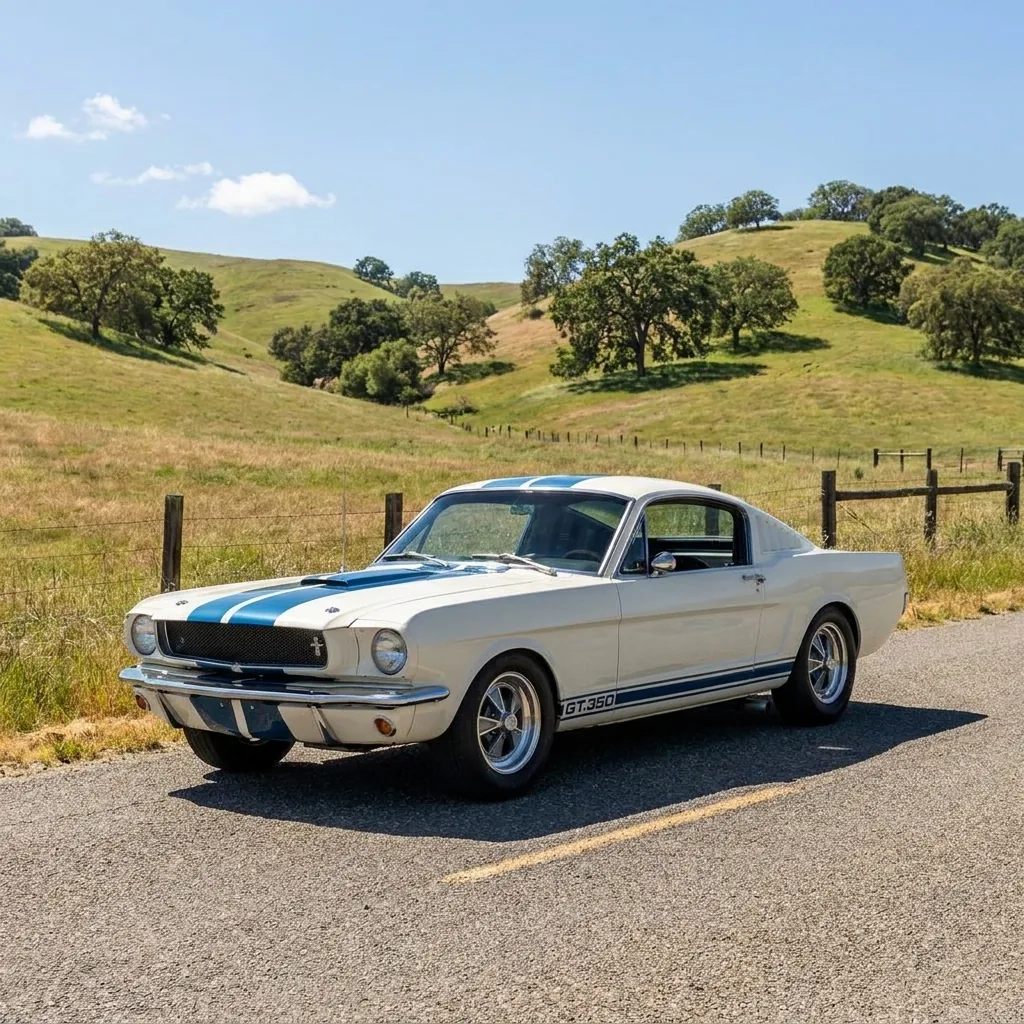
How the 1965 Shelby GT350 Made the Mustang a Road Racing Car
The first Shelby GT350 changed the Mustang through a coordinated approach to engine performance, chassis control, and competition identity.
Built to satisfy a rulebook
Cars shaped by a rulebook. Homologation requirements, class limits and competition preparation explain features that look arbitrary on a showroom floor.
The first Shelby GT350 changed the Mustang through a coordinated approach to engine performance, chassis control, and competition identity.
The first Trans Am combined a racing inspired name with Pontiac 400 power. Learn why the badge did not make the showroom car a Trans Am race entry.
The original Camaro Z28 chose a smaller engine for a specific reason. Explore its Trans Am connection and the importance of a balanced package.
The 1964 Fairlane Thunderbolt removed ordinary equipment to support a specific drag racing assignment. Here is why the details mattered.
Understand the original Boss 302 as a Trans Am inspired package and discover why engine breathing mattered within a five liter limit.
Explore the Boss 429's NASCAR engine connection and the packaging work required to place its broad V8 inside a Mustang.
Explore the unusual rear transaxle concept behind the 1963 Pontiac Super Duty Tempest and the limits of reducing its story to a big engine swap.