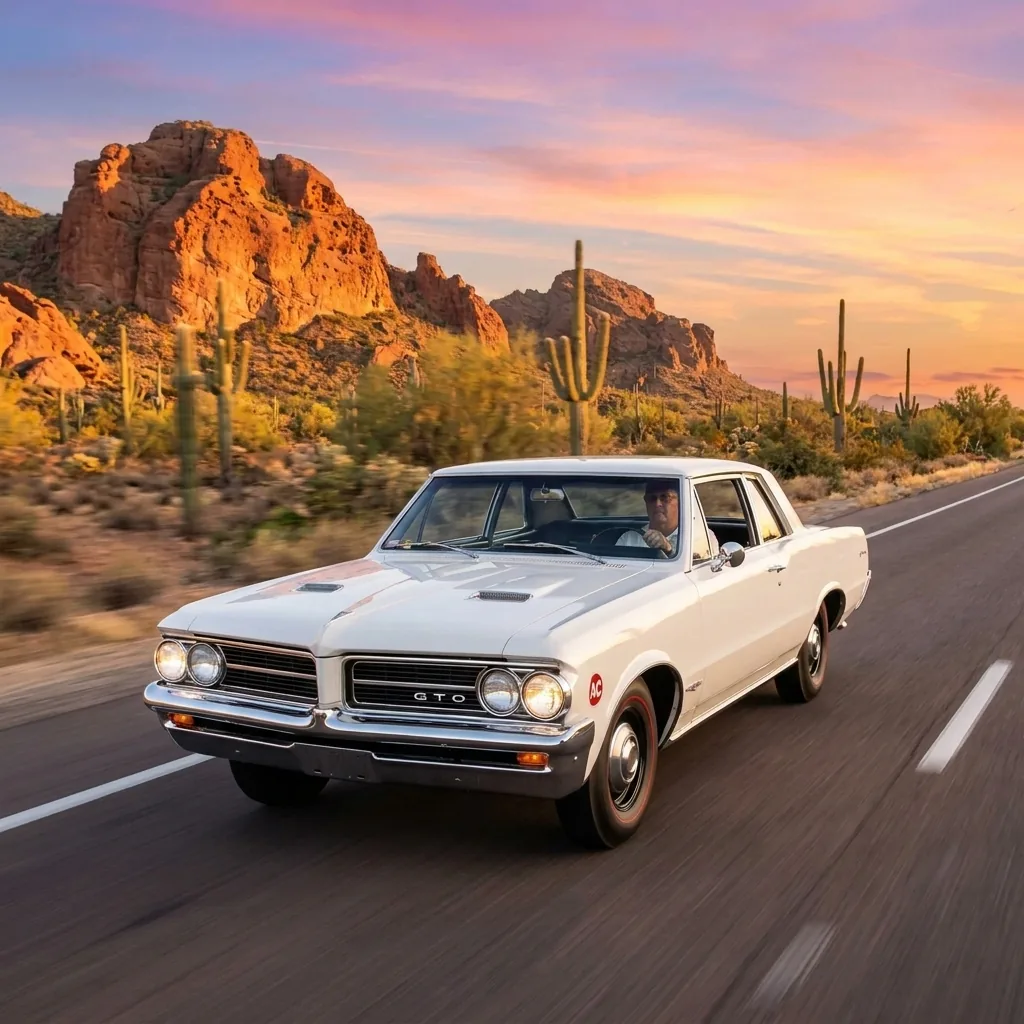
How the 1964 Pontiac GTO Made a Big Engine Into a New Formula
Understand the original GTO option and its Tri Power induction without confusing three carburetors with three separate engines.
The engineering behind the story
Discover why a race car needed a taller wing, what changed inside a factory performance engine, and how an unusual design became something drivers could buy. Each story connects a memorable detail with the evidence and mechanical ideas that make it worth understanding.
Start with Aero Wars for the shapes built around NASCAR competition, Engines and Induction for the hardware beneath the hood, or Unusual Designs for cars that rearranged familiar ideas. Follow a story from a short reel, then stay for the explanation.
Understand the original GTO option and its Tri Power induction without confusing three carburetors with three separate engines.
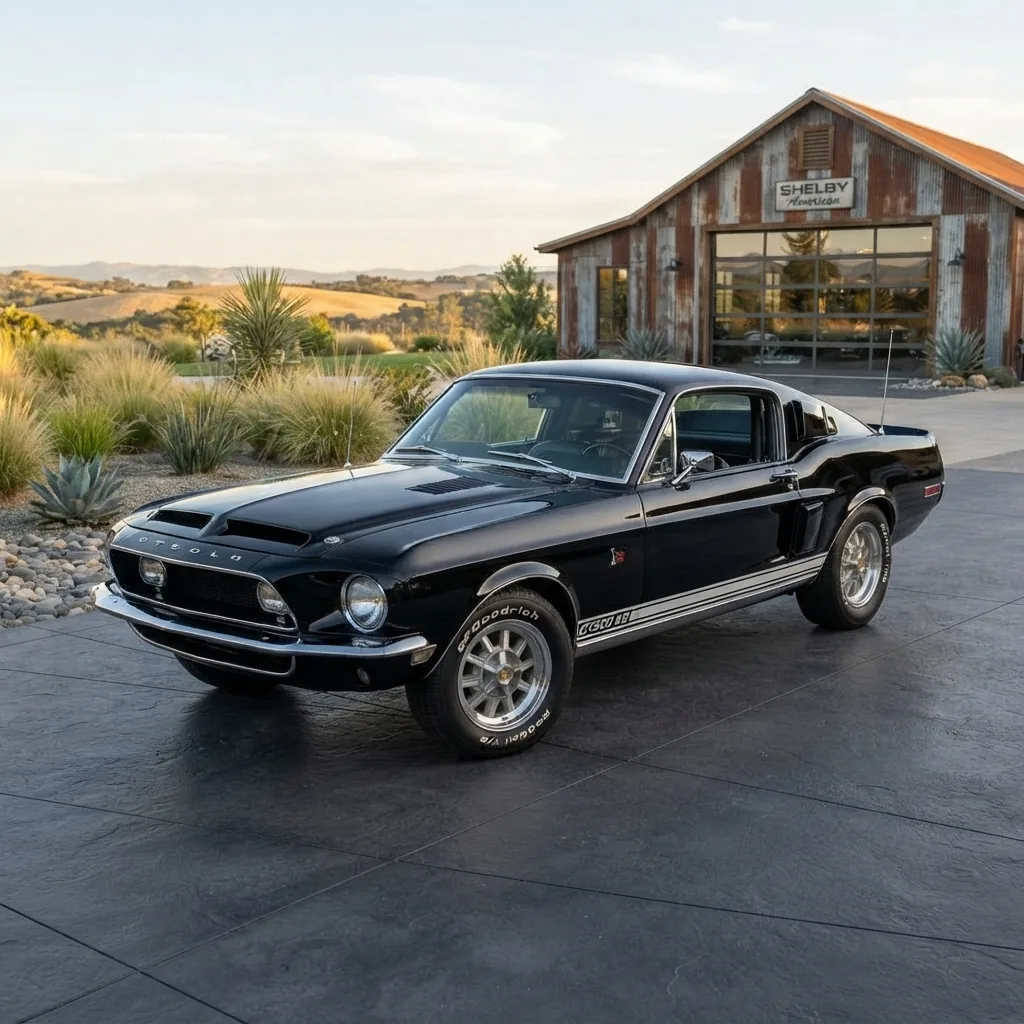
The 1968 GT500KR brought the 428 Cobra Jet to Shelby's larger Mustang. Learn what the KR name identifies and what it does not.
Explore why the original Camaro ZL1 used an aluminum 427 and why its significance reaches beyond an advertised horsepower number.
Bodywork built to answer a racing problem. These stories look at the noses, wings and roof lines that appeared when more engine power stopped being enough, and at what the shapes were actually meant to do.
3 published stories
What changed under the hood, and why. Carburetion, manifolds, camshafts, heads and the packaging problems that came with them, separated from the advertising language of the period.
5 published stories
Cars shaped by a rulebook. Homologation requirements, class limits and competition preparation explain features that look arbitrary on a showroom floor.
5 published stories
Limited packages, dealer programmes and low-volume builds. These articles keep the line clear between a factory option, a dealer conversion and a later modification.
5 published stories
Cars that rearranged a familiar idea. Layouts, seating, drivetrains and construction methods that were unusual when new, and what the surviving evidence supports.
2 published stories
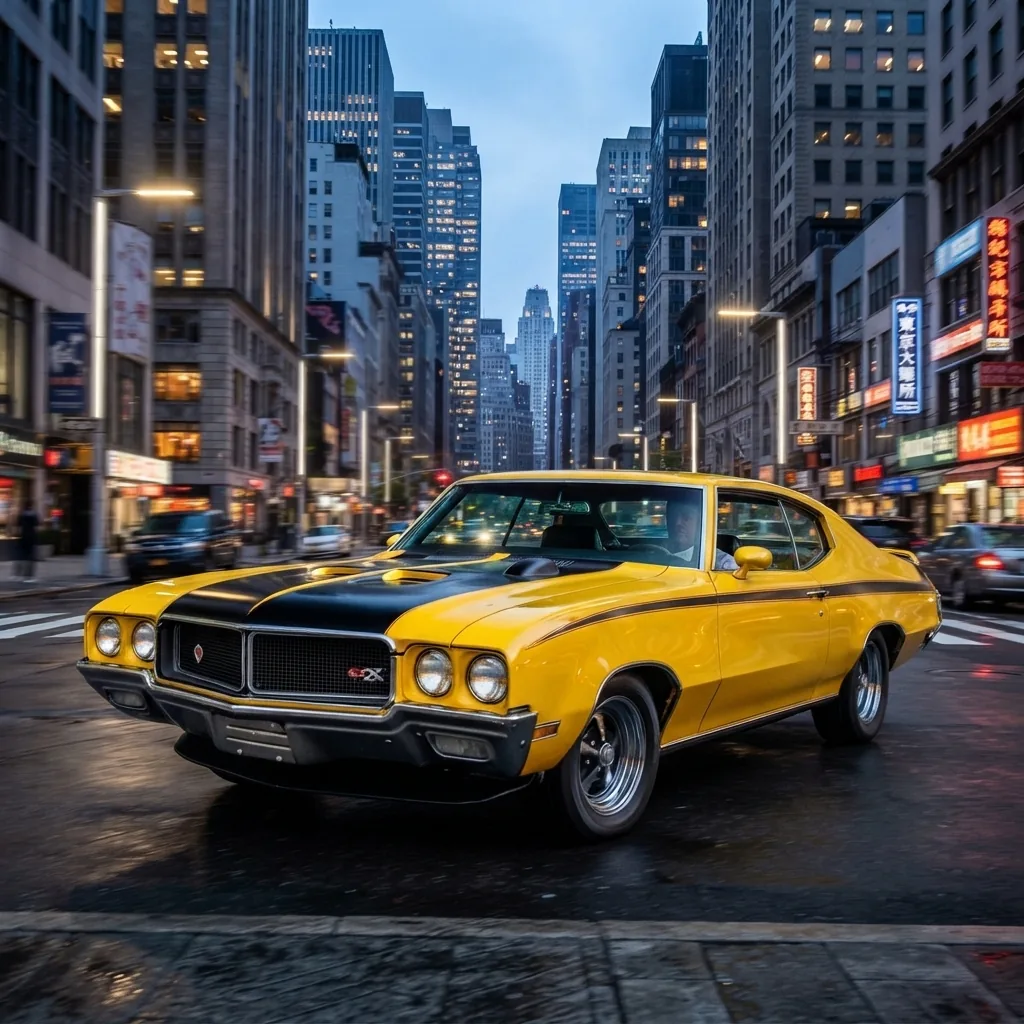
Understand the difference between GSX and Stage 1 and why Buick's 455 makes a useful lesson in torque, gearing, and muscle car performance.
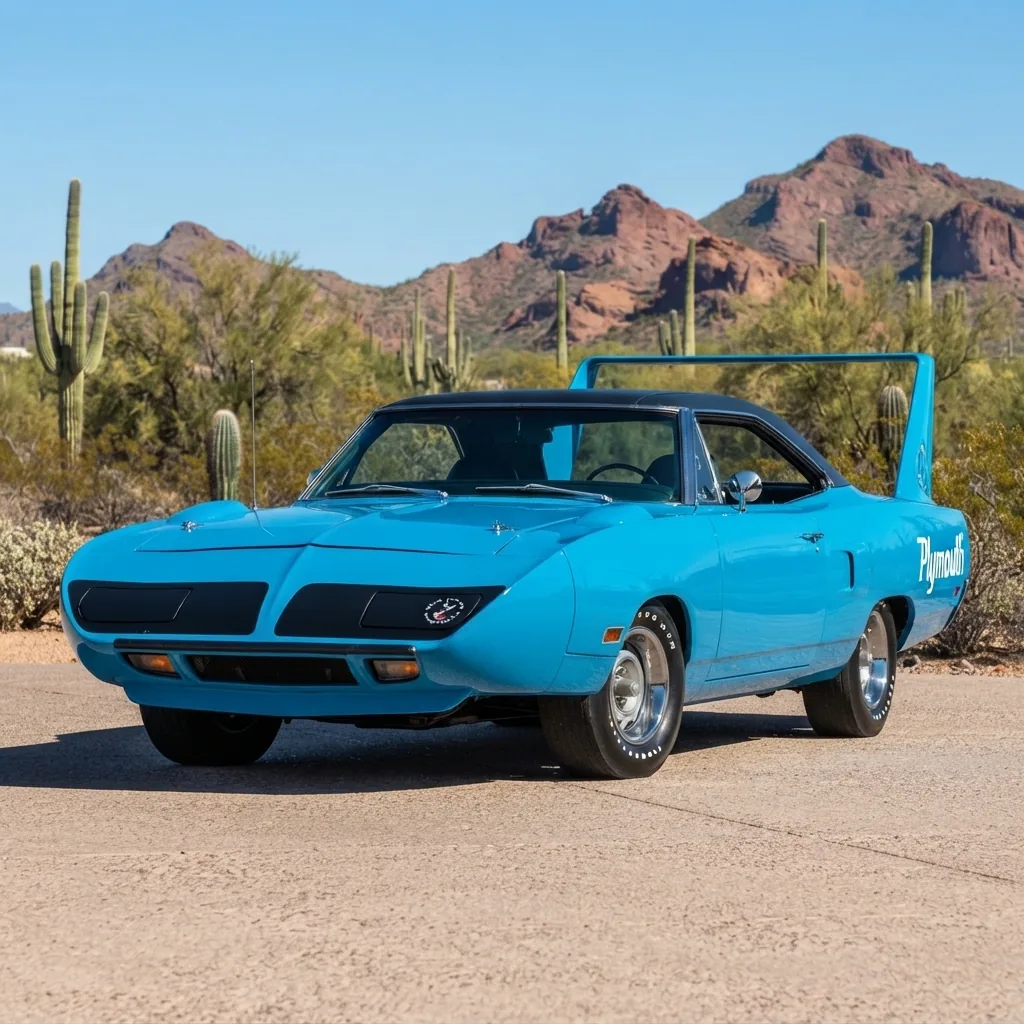
Understand the Plymouth Superbird as a NASCAR homologation car and learn why its dramatic shape meant more than a larger engine.
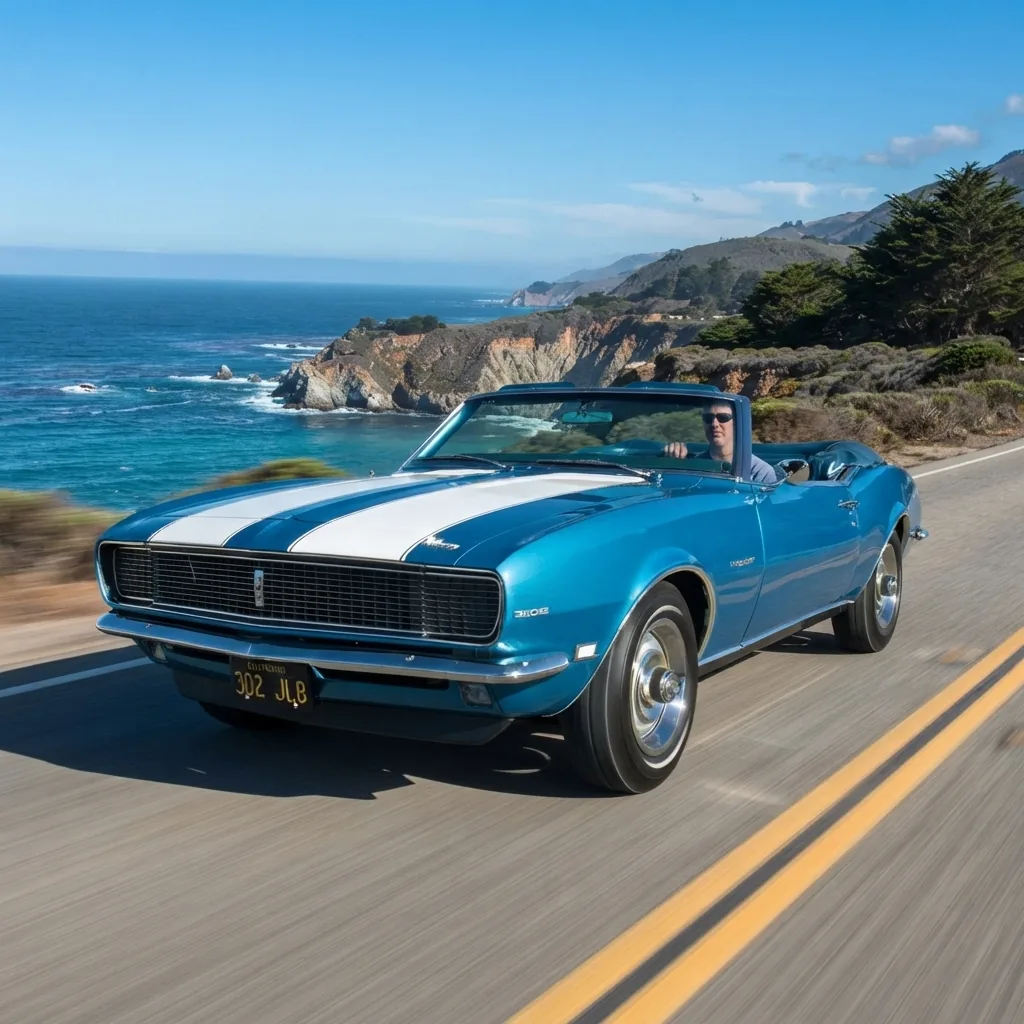
The original Camaro Z28 chose a smaller engine for a specific reason. Explore its Trans Am connection and the importance of a balanced package.
Understand the original Boss 302 as a Trans Am inspired package and discover why engine breathing mattered within a five liter limit.
Explore the Boss 429's NASCAR engine connection and the packaging work required to place its broad V8 inside a Mustang.
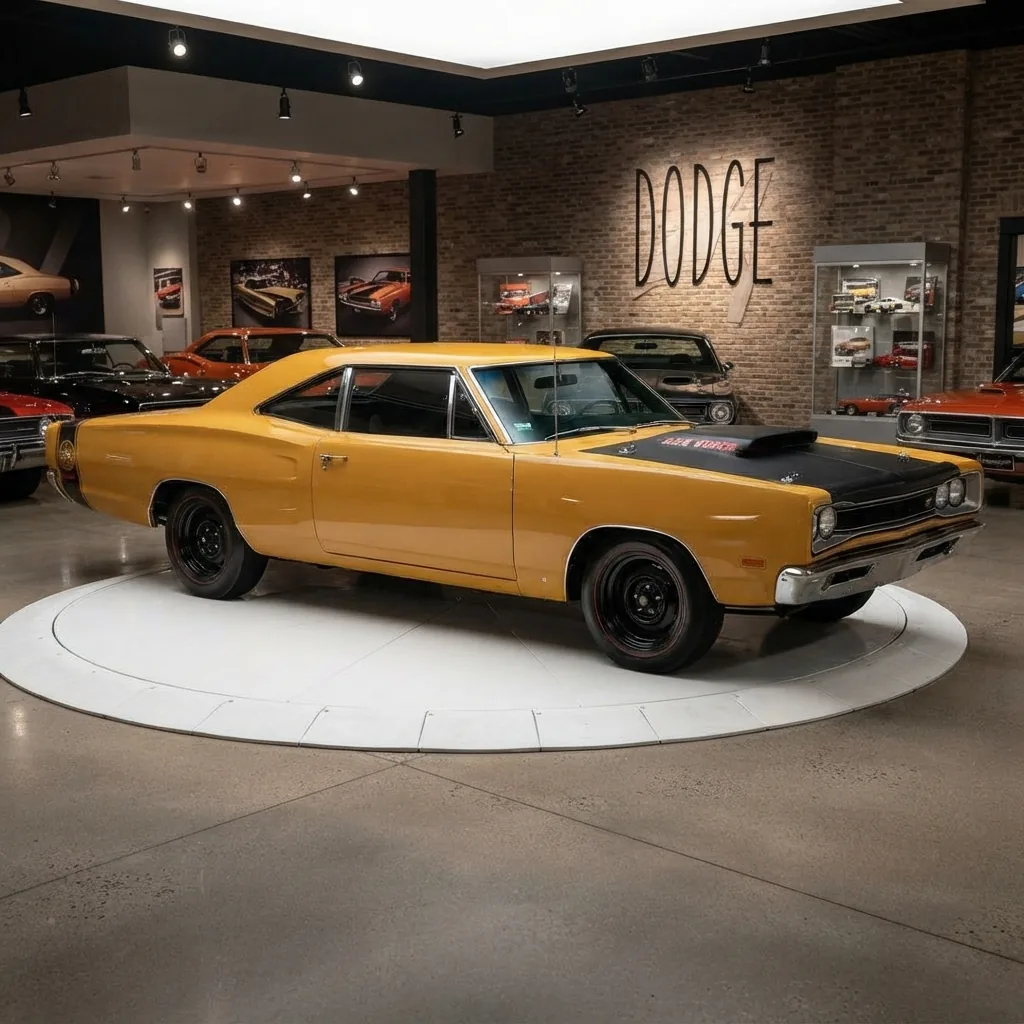
Explore the 1969 A12 Super Bee and Road Runner package through its three carburetors, distinctive hood, and focused performance purpose.
How we research and correct our work
We separate documented facts from general mechanical explanation, name our sources on every article, and publish dated corrections when an error is confirmed. Read the editorial policy or send a source-based correction through the contact page.